Last updated: September 2026
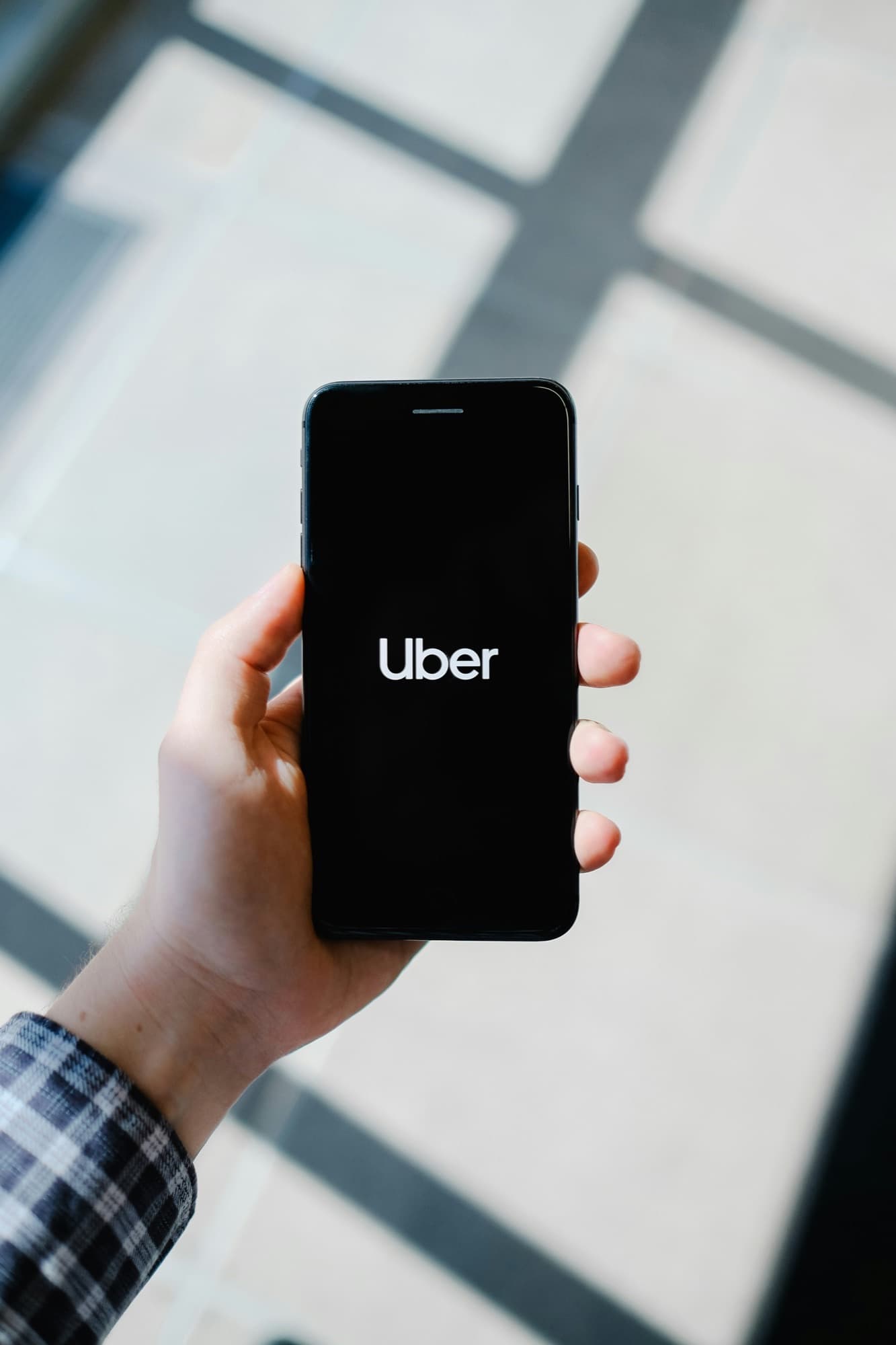
Quick answer: Yes. Uber returned to Morocco on 27 November 2025, starting in Casablanca and Marrakech, after a seven-year absence. This time it only works with licensed tourist-transport companies, not private drivers. Bolt launched in Marrakech in April 2026. Apps like inDrive, Yango and Heetch also work, but they operate in a legal grey area — and that grey area is exactly where most of the conflicts with taxi drivers happen.
If you are landing at Marrakech Menara Airport and wondering whether you can just open an app like at home, the answer is "yes, but read this first." Morocco's ride-hailing story is messy, and knowing it will help you choose a ride that is not only cheap, but safe.
Which ride-hailing apps work in Marrakech in 2026?
| App | Available in Marrakech? | How it operates | Best for |
|---|---|---|---|
| Uber | Yes (since Nov 2025) | Licensed tourist-transport operators only; no private drivers | City rides, fixed upfront price |
| Bolt | Yes (since Apr 2026) | Upfront price, live tracking; Marrakech is its first Moroccan city | City rides |
| inDrive | Yes | You propose a price, drivers accept; mostly private cars | Cheap rides — highest risk of taxi conflict |
| Yango / Heetch | Varies by city | Private and taxi drivers, legal status unclear | Casablanca / Rabat more than Marrakech |
| Careem | Limited | Uber-owned; has worked with taxis in Morocco | Check the app on arrival |
| Petit taxi (beige) | Yes | Licensed, metered | Short trips inside the city |
| Pre-booked private transfer | Yes | Licensed driver, fixed price, meet & greet | Airport arrivals, late nights, luggage, families |
App coverage changes fast in Morocco. Always open the app when you land to confirm what is live.
The history: why Uber left Morocco — and why it came back
Uber's story in Morocco explains almost everything about today's situation.
2015 – Uber arrives. Uber launched mainly in Casablanca, at a time when Moroccan law had no category for ride-hailing. Only licensed taxis could legally carry paying passengers.
2015–2018 – Conflict with taxis. Drivers faced penalties, protests and pressure from taxi unions. There was no legal status to protect them.
23 February 2018 – Uber leaves. Uber suspended operations, citing unclear regulations, and said it would return when the law changed.
2019 – Uber buys Careem, which kept operating in Morocco under its own brand.
December 2020 – Yassir declared illegal. The Casablanca governorate declared the Yassir app illegal.
July 2023 – Yango warned. The Casablanca-Settat region publicly accused Yango of breaking local rules, stating that no company had a licence to use private cars for public transport. inDrive and others kept operating anyway.
2024–2025 – Violence on the streets. Viral videos showed taxi drivers chasing, blocking and attacking app drivers — sometimes with tourists inside (details below).
January 2025 – The government admits the problem. Interior Minister Abdelouafi Laftit told parliament that ride-hailing cars could not yet be formally integrated, but could not be ignored either.
27 November 2025 – Uber returns to Casablanca and Marrakech, this time accepting only licensed transport operators.
December 2025 – A shift in tone. The minister said Morocco will have transport apps, widely read as a sign that legalisation is coming.
April 2026 – Bolt launches in Marrakech, its first Moroccan city.
July 2026 – Uber expands to Agadir and Tangier and reinforces Casablanca and Rabat.
The big picture: Morocco is moving toward regulating ride-hailing ahead of the 2030 World Cup, but as of today there is still no complete legal framework.
Is Uber legal in Morocco?
Uber's current model is built to stay on the right side of the law: only authorised tourist-transport companies can register vehicles, and private individuals are excluded because Morocco still has no legal basis for non-professional drivers.
That is the key difference for you as a passenger:
- A licensed professional vehicle (Uber's current model, official taxis, licensed transfer companies) is legally allowed to carry you.
- A private car found through an app (common on inDrive and similar apps) is operating without a transport licence. Travel writers who used inDrive in Marrakech have reported learning afterwards that both drivers and riders can face fines.
Is inDrive legal in Morocco?
Not formally. inDrive, Yango and Careem's non-taxi services operate in a grey area because ride-sharing apps are not regulated under Moroccan transport law. inDrive is popular because it is cheap and you can negotiate, but it is also the app most associated with confrontations with taxi drivers.
The taxi vs app war: real stories
Taxi drivers in Morocco pay for licences, follow fixed rules, and see unlicensed app drivers as unfair competition taking their income. That frustration is understandable. The problem is that in some cases it has turned into direct confrontation on the road — and passengers end up in the middle.
The stories below were reported by named media outlets. They are not everyday events, but they are real, and they are the reason we recommend a licensed option for airport arrivals.
1. Two car chases in two nights in Marrakech (January 2026)
A British journalist writing for Far Out Magazine booked an inDrive late at night in Marrakech after declining a taxi quoted at more than double the price. A taxi driver ordered him out of the car, and after they escaped, a car chased them through the city. Their driver ran a red light and they narrowly avoided a side-impact crash — with no working seat belts in the back. The next night, a second inDrive ride turned into another chase on a fast road, and the driver eventually told them to get out. The writer believed the taxis did not intend to hurt anyone, but said the chases put his life at serious risk.
2. Tourists with children stopped near Rabat-Salé Airport (March 2024)
A video from near Rabat-Salé Airport showed a group of taxi drivers surrounding an app driver who was carrying tourists, including children, and trying to force the car to stop. One of the tourists can be heard telling the attackers, in English, that there were children inside.
3. A chase from Rabat Agdal station ends in court (December 2024)
Four taxis followed an app driver who had picked up a passenger at Rabat Agdal train station. The driver dropped the passenger off and tried to escape. One taxi driver clung to the car and was dragged along the road, the others blocked it, and a fight broke out. Five people were detained, and the vehicles were seized. Even a transport union leader condemned the behaviour as endangering public safety.
4. A diplomat's driver attacked in Casablanca
In Casablanca, a diplomat's inDrive driver was attacked, which led to the arrest of a taxi driver.
5. The risk runs both ways (2026)
Safety gaps do not only affect passengers. In 2026, a young inDrive driver was found dead in Dar Bouazza near Casablanca; early reports suggested he may have been targeted by people posing as passengers, possibly for robbery. The case led to calls for stricter identity checks on these platforms — a reminder that in an unregulated system, nobody is fully protected.
What this means for you as a passenger
Most app rides in Marrakech end without any problem. But if you choose an unlicensed ride, here is what can realistically happen:
- You may be told to get out of the car, often at pickup points where taxis wait: the airport, train stations, busy squares and nightlife areas.
- Your car may be followed or blocked, and an app driver trying to escape may drive dangerously.
- Insurance is unclear. A private car carrying paying passengers without a licence may not be covered the way a licensed vehicle is.
- You could be dropped on the roadside at night, with your luggage, far from your riad.
- Fines are possible for unlicensed transport.
The airport is the most sensitive place of all: it is where taxi drivers wait for work, where you are most tired, and where you have the most luggage.
Is Uber safe in Marrakech?
Uber's 2025 relaunch model is the safest of the app options because every vehicle belongs to a licensed operator. You get an upfront price, driver details and trip tracking. The limits: the fleet is still relatively small, availability can drop at peak times, and Uber is a city service rather than a long-distance option.
For Bolt, check in the app which type of vehicle you are booking, and follow the usual rules for any ride: match the plate and driver photo, share your trip, and sit in the back.
Can you get an Uber from Marrakech Airport?
Open the app when you land to see if cars are available, but do not build your arrival plan around it. At night, with a delayed flight, or with children and luggage, you want a ride that is guaranteed before you land.
How to get from Marrakech Airport to the city centre or Medina
| Option | Approx. price | Time | Good to know |
|---|---|---|---|
| Petit taxi from the rank | 50–80 MAD by day, 75–120 MAD at night | 15–25 min | Agree the price or insist on the meter before you get in; prices rise at night |
| Airport bus | 20 MAD (bus 19) | 30+ min | Cheapest; not practical with big luggage |
| Uber / Bolt | Upfront in app | 15–25 min | Availability varies |
| inDrive | Negotiated | 15–25 min | Cheapest app, but highest risk of taxi conflict at the airport |
| KechTransfer private transfer | From 20 € — fixed | 15–25 min | Driver waits with a name sign, flight tracking, no negotiation |
Staying in the Medina? Cars cannot reach most riad doors. Your driver drops you at the nearest point, and a porter or the riad staff usually walks you in. Arrange this in advance, especially at night.
Why many travellers pre-book an airport transfer
We are a transfer company, so of course we will recommend transfers — but here is the honest reason why. The problems described above mostly happen with unlicensed rides at busy pickup points. A pre-booked licensed transfer removes all of them:
- Fixed price agreed before you fly, no negotiation after a long flight.
- Licensed vehicle and professional driver, so no one can force you out of the car.
- Your driver tracks your flight and waits if you are delayed.
- Meet & greet inside arrivals, with help for your luggage.
- Child seats and larger vehicles available for families and groups.
FAQ
Is there Uber in Marrakech? Yes. Uber relaunched in Marrakech and Casablanca on 27 November 2025, using licensed transport companies only.
Is Uber legal in Morocco? Uber's current model uses only authorised transport operators, which keeps it within the law. Ride-hailing with private cars still has no legal framework in Morocco.
Does Bolt work in Marrakech? Yes. Bolt launched in Marrakech in April 2026 with upfront prices and live tracking. Marrakech is its first Moroccan city.
Is inDrive legal in Morocco? Not formally. It operates in a legal grey area, and most of the reported conflicts with taxi drivers involve inDrive.
Is Uber safe in Marrakech? Uber is the safest app option because all its vehicles come from licensed operators. For airport arrivals at night or with family, a pre-booked transfer is the most predictable choice.
Is Uber cheaper than a taxi in Marrakech? Not always. A petit taxi on the meter is often cheaper for short city rides. Apps mainly save you from negotiating.
How much is a taxi from Marrakech Airport to the city centre? 50–80 MAD by day and 75–120 MAD at night, with higher prices at night. A private transfer with KechTransfer starts from 20 € at a fixed rate.
Does Uber work in other Moroccan cities? Yes, in a limited way. After Casablanca and Marrakech, Uber expanded to Agadir and Tangier and reinforced Casablanca and Rabat in July 2026.
Sources
- Morocco World News — Uber returns to Morocco after seven years (27 Nov 2025)
- Morocco World News — Uber extends to Agadir and Tangier (Jul 2026)
- L'Economiste — Bolt lance sa plateforme à Marrakech (29 Apr 2026)
- Far Out Magazine — Danger in Marrakesh (28 Jan 2026)
- Morocco World News — Taxi drivers assault ridesharing driver carrying tourists (Mar 2024)
- Morocco World News — Rabat chase, five detained (Dec 2024)
- Hespress — Demands to regulate transport apps multiply (Dec 2024)
- Morocco World News — InDrive driver's murder (Jun 2026)
- Bewildered in Morocco — Uber's 2018 exit
- Live and Let's Fly — Using inDrive in Marrakesh (Apr 2025)